
ZealousWeb
Custom Software Comparison

When to Consider Custom Development vs. Off-the-Shelf Software Solutions

November 05, 2025Posted By: Manjiri Bhate
baby eCommerceCustom Software DevelopmentOff-the-Shelf SoftwareSoftware Development

When any business thinks about software, they typically face two main choices: custom solutions or off-the-shelf solutions. Custom solutions are tailor-made software designed specifically to meet your unique needs, while off-the-shelf solutions refer to pre-built software products readily available in the market.

Choosing between the two can significantly impact your business’s success. The right software can streamline your operations, enhance customer experience, and ultimately boost your revenue. To put this into perspective, the global custom software development market is expected to grow to USD 146.18 billion by 2030. On the other hand, around 90% of companies worldwide currently use off-the-shelf software solutions to serve their customers.

In this blog, we’ll walk you through when it makes sense to choose custom software, when off-the-shelf options might be better, and how you can make a smart decision tailored to your business needs.

Why This Decision Matters for Baby eCommerce

Baby eCommerce stores operate in a uniquely sensitive market where trust and reliability are perks. Parents looking for baby products want assurance that everything they buy is safe, high-quality, and delivered seamlessly. This means your online store’s technology has to support a flawless shopping experience, from browsing to checkout, with no room for glitches or delays.

The software you choose directly impacts how well you can meet these demanding expectations.

  • On the customer side, it affects site speed, ease of browsing, personalized recommendations, and secure payment options.
  • From the seller’s perspective, it powers your ability to manage inventory accurately, process orders smoothly, and respond quickly to any customer inquiries or issues.

Beyond daily operations, your technology choices shape your store’s future growth. Scalable and adaptable systems let you integrate new features and respond to changing market trends without costly overhauls.

Now, let’s look into both of these options one by one. This will help you guide toward the best fit for your unique business needs.

Option 1: Off-the-Shelf: The Quick Start

Off-the-shelf solutions are pre-built software products designed to meet common business needs. These ready-made applications require no development from scratch and can be used immediately. Popular examples include platforms like Shopify for eCommerce, QuickBooks for accounting, and WordPress for website creation.

That said, off-the-shelf software offers several key benefits as well have some limitations of its own.

Benefits of Off-the-Shelf Solutions

Off-the-shelf software is a popular choice for many businesses as it offers some key benefits that help companies get up and running quickly while maintaining control over costs and ease of use.

Fast Implementation

Off-the-shelf software can be deployed quickly because it’s already developed and tested. This speed allows businesses to start using the software almost immediately, which can be crucial for time-sensitive projects or quick market entry.

Lower Upfront Cost

Since the software is mass-produced, the initial purchase or subscription cost is generally much lower compared to custom solutions. This makes it budget-friendly for startups or small businesses looking to minimize their initial investment.

Ease of Use and Maintenance

These products are designed to serve a broad audience, so they often focus on user-friendly interfaces and straightforward workflows. Additionally, vendors usually provide regular updates, customer support, and troubleshooting resources, making it easier for businesses without dedicated IT teams to manage.

App Ecosystem at Your Fingertips

Need features like reviews, subscriptions, or loyalty programs? Off-the-shelf platforms often offer easy integration with third-party apps, allowing you to expand functionality quickly without custom coding.

However, like every coin has two sides, off-the-shelf solutions also have their limitations.

Limitations of Off-the-Shelf Solutions

While off-the-shelf solutions offer plenty of perks, they also come with some trade-offs. Understanding these limitations will help you make a more informed decision and avoid surprises down the line.

Customization Constraints

Because these solutions are built to serve many businesses, customization options may be limited. You might find it difficult or impossible to tailor the software to meet specific processes, workflows, or unique needs, which can limit your competitive edge.

Scalability Concerns

Off-the-shelf products are often designed with a typical business size or structure in mind. As your business grows or your needs become more complex, the software might not scale efficiently, leading to performance issues or the need to purchase additional modules or entirely new systems.

Some of the other limitations are:

  • It becomes complex to create unique flows or customized customer journeys.
  • Adding new features relies on extra apps or plugins, which can add cost and introduce conflicts or bugs that impact reliability.
  • It can slow down the website load time, which can frustrate users and hurt conversions.

Off-the-shelf software is a great fit for businesses that need to move quickly without heavy technical resources. It’s ideal for startups and early-stage baby brands, teams that don’t have dedicated full-time developers or IT staff, or for those who are creating Minimum Viable Products (MVPs) to test ideas and customer demand before investing deeply.

Our Take!

Off-the-shelf solutions offer a fast, cost-effective way to start, but remember, as your business evolves, your software needs will too. Choosing wisely now saves headaches and supports smoother growth later.

Option 2: Custom Development: The Long-Term Investment

Custom software development involves building a software solution tailored specifically to your business’s unique needs and processes. Unlike off-the-shelf options, custom solutions are created from the ground up or heavily modified to fit your requirements exactly, giving you full control over features, design, and scalability.

Custom development offers several compelling benefits, but it also requires more investment in time and money upfront.

Benefits of Custom Software Development

Custom development is all about creating exactly what your business needs to operate efficiently and stand out.

Tailored to Your Business

Every function aligns exactly with your workflows, ensuring maximum efficiency and effectiveness. This customization reduces workarounds and simplifies complex processes unique to your operation.

Scalability and Future-Proofing

Built to grow with your business, custom solutions can handle increasing users, data, and feature demands smoothly. This flexibility prevents frequent migrations or costly upgrades as your needs evolve.

Competitive Advantage

Custom features and workflows allow you to provide unique experiences that set you apart in the market. This level of differentiation can build stronger customer loyalty and better address niche markets.

Full Control and Ownership

Owning the codebase gives you the freedom to prioritize updates, add features, or pivot strategies without vendor restrictions. This autonomy is valuable for long-term adaptability and innovation.

Together, these benefits offer a powerful foundation for long-term success, though it’s important to be aware of the accompanying challenges.

Limitations of Custom Software Development

Custom software requires a greater upfront investment and more time to launch compared to off-the-shelf options.

Higher Initial Cost

Developing from the ground up involves significant expenses, including hiring developers, designers, and testers. These costs can stress budgets, especially for smaller or early-stage businesses.

Longer Time to Launch

Building and testing custom software often takes months or more, delaying your ability to enter the market quickly. Extended timelines may also require ongoing project management to keep priorities aligned.

Ongoing Maintenance Needs

Custom-built solutions need dedicated teams to handle software updates, bug fixes, and security patches. Without proper support, performance issues can arise, affecting user experience and business operations.

Requirement Accuracy and Scope Management

Capturing complete and precise requirements upfront is critical but challenging. If requirements shift or expand during development, projects can experience scope creep, leading to increased costs and delays.

Custom development is ideal for established or growing baby brands with unique needs and resources to invest in a tailored, scalable solution.

Our Take!

Consider custom development as your business’s blueprint for growth. It takes more time and investment upfront, but delivers unmatched flexibility and power to evolve exactly as you do.

Option 3: The Hybrid Approach: The Best of Both

Choosing between custom development and off-the-shelf software doesn’t have to be an either-or decision. With a hybrid approach, you can build on the proven foundations of off-the-shelf platforms while adding the custom features your baby eCommerce business truly needs.

Typically, this means starting with a solid off-the-shelf platform that manages everyday essentials like product catalogs, payments, and order processing. On top of that, you introduce custom-built components-such as specialized apps, personalized user interfaces, or deeper integrations-to handle unique workflows and provide tailored experiences.

Here’s a simple example of how a hybrid setup might look in practice:

  • Use Shopify as your core platform for reliable eCommerce functions.
  • Add a custom React-based front-end to speed up mobile user experience.
  • Build a bespoke “Age Filter + Bundle Builder” app to enhance product discovery and sales.
  • Integrate natively with your CRM and shipping tools for seamless back-end operations.

This blend lets you get up and running quickly without sacrificing the flexibility to grow and differentiate your brand. Also, some common reasons make the decision stronger to switch to a hybrid approach:

  • You want to get to market quickly but need critical custom features that off-the-shelf won’t support.
  • Your business needs flexibility to adapt to unique workflows as you grow.
  • You want to minimize initial costs but avoid future costly migrations or workarounds.
  • Your team prefers a stable, proven base with the freedom to add new capabilities.
  • You want to offer personalized shopping experiences without rebuilding everything from scratch.

By balancing speed and customization, hybrid solutions empower you to launch faster while delivering a shopping experience that stands out in the competitive baby market.

Signs to Look for to Know It's Time to Go Custom

Now that we’ve discussed all the options and how to get started, it’s important to recognize when it’s time to consider custom development. No matter which approach you start, certain key triggers can indicate that a custom-built approach is necessary.

If you’re unsure, look closely at your data-customer feedback, operational bottlenecks, or growth challenges can reveal the need for change. Getting a website audit from experts can also save you time and money by clarifying what your business truly needs before making a bigger investment.

See the Custom Path Tailored for Your Growth Goals

Claim Your Custom Strategy

Custom Growth Strategy

Here are the key signs to watch for that suggest it’s time to go custom:

Off-the-Shelf Limitations

When your current software doesn’t support your unique business processes, you’ll find yourself forced to work around software boundaries. This leads to operational inefficiencies and lost sales opportunities. Custom development can tailor these workflows exactly to your needs.

Scalability Issues Are Impacting Performance

As your baby eCommerce store grows, you may notice your platform slowing down during traffic spikes or struggling to manage larger inventories. Poor performance not only frustrates shoppers but also risks lost revenue. Custom software can be designed to scale seamlessly with demand and business expansion.

High Costs from Workarounds and Plugins

Relying too much on a stack of third-party apps or plugins can add to costs and complexity. Each additional app can introduce compatibility issues, slowdowns, and hidden fees. Over time, this patchwork becomes less efficient and more expensive than investing in a custom-built solution.

Need for Integration with In-House Systems

Your growth might depend on tighter integration between your eCommerce platform and your internal tools. Off-the-shelf software often offers limited or complicated integrations, leading to manual work or inaccurate data. Custom solutions can create seamless, automated workflows that reduce errors and save time.

Providing a Unique Customer Experience

Off-the-shelf options tend to offer generic templates and limited customization. Custom development empowers you to build unique features, like tailored product filters, interactive bundle builders, or loyalty programs that captivate your audience and build lasting loyalty.

Recognizing these warning signs early helps you avoid costly frustrations and prepares your business for technology that grows smoothly with your needs.

The ROI Aspects of Going for Custom Development Solutions

Return on investment (ROI) is the key factor that drives every business decision, and choosing custom development solutions is no exception. Custom software can have a profound positive impact on ROI by:

  • Streamlining operations
  • Improving customer experience
  • Enabling scalability

Measuring the ROI of custom development involves looking beyond the initial costs to understand its long-term benefits. While upfront investment might be higher compared to off-the-shelf alternatives, the value created over time often surpasses these costs.

To put this in perspective, it’s important to analyze costs versus benefits over time. The initial expenses include development, testing, and deployment, but the benefits, such as increased efficiency, higher customer retention, and reduced dependency on third-party tools, build steadily, contributing to sustainable growth and profitability. This balance between cost and long-term advantages frames the real value of custom development for baby eCommerce businesses aiming to thrive in a competitive market.

Common Pitfalls (and How to Avoid Them)

Custom development projects come with their share of challenges, and being aware of common pitfalls is key to avoiding costly mistakes. These pitfalls often manifest as delays, budget overruns, or unmet expectations, but with careful planning, they can be managed effectively.

Here are some typical pitfalls to watch out for, along with strategies to steer clear of them:

Overestimating Needs or Underestimating Costs

It’s easy to over-specify features or underestimate the true costs and time needed for development. This leads to budget blowouts and frustration. Prioritize must-haves and validate requirements early to maintain focus and control costs.

Poor Project Management and Vendor Selection

Choosing the wrong vendor or lacking clear management can derail progress. Evaluate vendors carefully for expertise and fit, and ensure strong communication and project oversight throughout the development cycle.

Lack of Clear Goals and Scope Creep

Undefined or shifting project goals result in scope creep, where new features keep getting added without proper planning, inflating time and cost. Establish clear deliverables upfront and stick to a change management process.

Ignoring User Feedback and Testing

Skipping thorough user testing or ignoring feedback can lead to a product that doesn’t meet real-world needs. Incorporate regular testing phases and adjust based on actual user insights to keep development aligned.

Overcomplicating Solutions

Trying to build overly complex features “just because” can bog down the project. Focus on simplicity and scalability, building a solid foundation first before adding bells and whistles.

Insufficient Planning for Maintenance and Support

Custom software requires ongoing care. Failing to plan for updates, fixes, and evolving needs can lead to technical debt and operational issues. Allocate resources and budget for long-term maintenance from the start.

Being proactive about these common pitfalls helps ensure your custom development project stays on track, delivers value, and supports your baby’s eCommerce growth effectively.

Have questions about planning your next step?

Book a Quick Chat With Our Team

Software Solutions

The Decision Framework

Taking the right software decision is not like a toss-up; it requires a structured and thoughtful approach. There are crucial steps that businesses should follow to make sure their choice aligns with their unique needs and long-term goals.
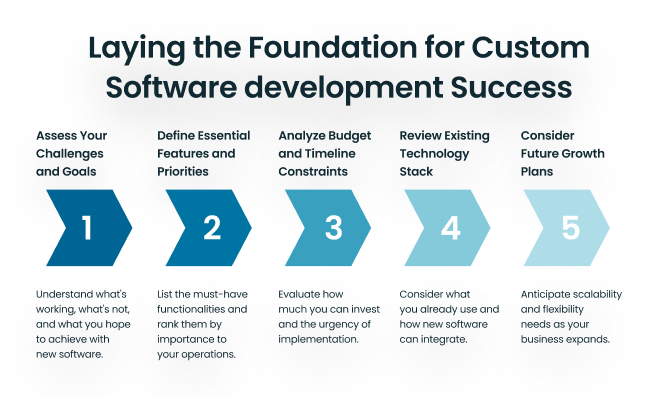
 

Software Planning Framework


However, following these steps alone won’t guarantee the best decision. It’s important to involve the people who will live with this choice every day.

  • The Stakeholders: Business owners, marketing, sales, and operations teams who understand the high-level goals and customer expectations.
  • The Technical Team: Developers, IT staff, or external vendors who know the feasibility, technical implications, and integration complexities.

This collaborative approach ensures that the decision truly reflects both business objectives and technical realities, reducing risks and aligning expectations. Before finalising the approach, here are some specific questions to understand the deep insights about your software needs.

  1. What are the biggest pain points in current systems?
    – Identifying frustrations in day-to-day operations highlights where improvements are essential, helping to prioritize features that directly impact productivity and customer satisfaction.
  2. Which features are non-negotiable and why?
    – Understanding must-have functionalities clarifies the minimum viable requirements that any solution must fulfill to support your business effectively.
  3. How does the new software fit with existing processes and tools?
    – This ensures compatibility and smooth integration, reducing disruption and preserving operational continuity.
  4. What are the potential risks and support requirements?
    – Anticipating challenges such as downtime, data migration issues, or maintenance needs prepares your team for proactive management.
  5. How does this decision impact long-term growth and adaptability?
    – Aligning technology choices with future business goals guarantees that the solution scales and evolves alongside your brand.

Lastly, don’t overlook the power of decision-making tools and checklists. These resources provide a structured framework to compare options objectively, document insights, and ensure no critical factors are missed during the selection process.

Action Plan Checklist

You’ve made it this far, so you’re already halfway there! Now, it’s time to focus on a practical action plan checklist that will help you prepare for and successfully execute your technology decision.

There are three key areas to pay close attention to:

  • Setting Timelines: Clearly define milestones and deadlines to keep your project on track and ensure timely delivery. Having realistic timelines helps manage expectations and allocate resources effectively.
  • Budget Planning: Establish a detailed budget that covers development, implementation, and ongoing costs. Factor in contingencies for unexpected expenses to avoid last-minute financial pressures.
  • Resource Allocation: Identify the people, tools, and external partners you’ll need throughout the project. Ensure roles and responsibilities are clear to maintain smooth coordination and accountability.

After deployment, don’t forget to consider these crucial post-launch factors:
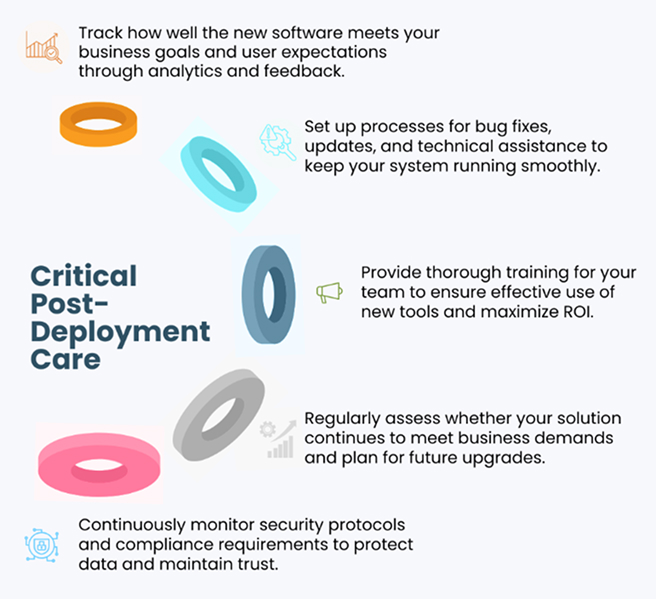
Post-Deployment Checklist

Focus on these practical steps can greatly increase your chances of success and help you make the most of your technology investment.

Conclusion

Making the right technology decision is critical for the success and growth of your baby’s eCommerce business. Thoughtful, well-informed choices pave the way for smoother operations, better customer experiences, and scalable growth. It’s important to take your time, consider all factors, and involve key stakeholders to ensure your solution truly fits your needs.

If you ever feel overwhelmed or uncertain, don’t hesitate to seek expert guidance. ZealousWeb is here to help you navigate these decisions confidently, offering tailored support and proven strategies to find the perfect technology path for your business. Together, we can build a solution that not only meets your current needs but also empowers your future growth.

FAQs

Related Blog Posts

Delivery workflow mapping

Delivery Workflow Mapping Template for Agencies Moving From Tasks to Systems

May 15, 2026
Agency Scalingclient retentiondeliveryQAWorkflow
behavioral lead scoring

How to Charge 2x for WordPress Projects Using Behavioral Lead Scoring

March 20, 2026
B2B Lead GenerationBehavioral Lead ScoringConversion OptimizationWordPress Development
WordPress personalization

Stop Delivering Static Websites: How to Offer “Personalization-as-a-Service” to Your Clients

March 20, 2026
AI-powered personalizationdynamic contentlead scoringWordPress Personalization
Delivery cost calculator

Delivery Cost vs In-House Burn Calculator: Measure the True Cost of In-House Delivery

March 19, 2026
Burn calculatorDelivery costIn-house deliveryProject Management
ZealousWeb

ZealousWeb’s Structured Delivery & QA Process Explained Through Systems

March 12, 2026
DORA MetricsExecution SystemsQuality Assurance ProcessSoftware Delivery Process
GraphQL

GraphQL: The Data Fetching Saga

April 30, 2024
Data FetchingGraphQLWeb Development
HTTP/2 Based Push Notification In iOS

How To Implement HTTP/2 Based Push Notification In iOS?

December 06, 2022
HTTP/2 ProtocoliOS DevelopmentPush Notifications
Develop A Web Application

How To Develop A Progressive Web Application Using ReactJS? In-Depth Guide

July 21, 2022
Frontend TechniquesPWA DevelopmentReactJS Tutorials
Crafting Mobile User Experience

Crafting Exceptional Mobile User Experiences: A Comprehensive Guide

October 17, 2021
Mobile-Friendly WebsitePage Loading TimesWebsite Navigation