Should Businesses Invest in SEO, AEO, or GEO First?
For most businesses, SEO should remain the foundation, while AEO and GEO should receive more budget as visibility shifts toward answer engines and generative AI platforms.
If your site still struggles to rank, attract qualified traffic, or build authority, SEO should usually get the largest share first. If you already rank well but are missing from AI Overviews, direct answers, ChatGPT, Gemini, or Perplexity, increasing AEO and GEO investment becomes more important.
The smartest approach is not to split budget evenly across all three.
It is to invest based on the biggest visibility gap affecting qualified leads, customer discovery, and revenue.
SEO vs AEO vs GEO: What Are Businesses Actually Paying For?
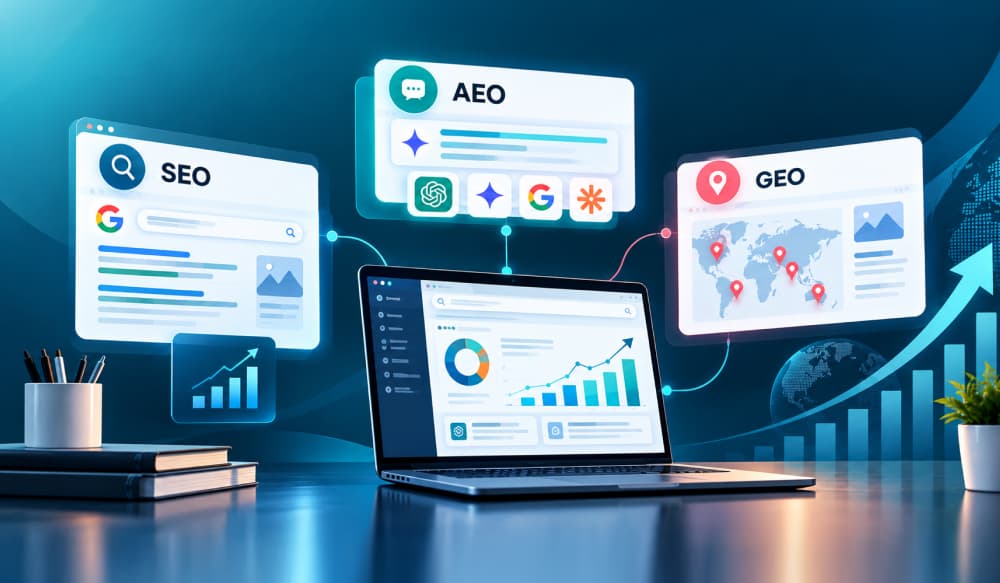
SEO, AEO, and GEO support different parts of search visibility, but businesses are ultimately paying for the same outcome: to be found, considered, and chosen by the right customers.
| Area | Primary Goal | Where Visibility Appears | What Success Looks Like | What Businesses Are Funding |
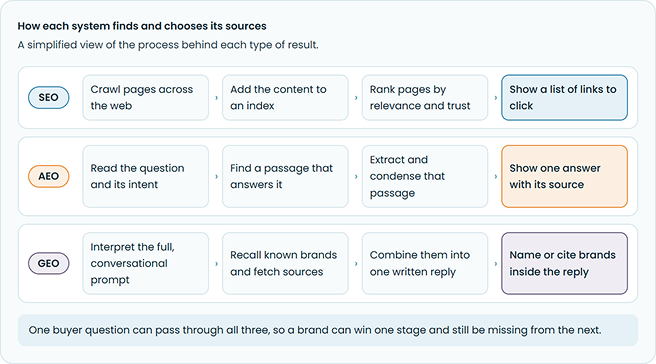
| SEO | Improves organic visibility | Google and other search engines | Rankings, qualified traffic, leads | Technical SEO, content, authority, optimization |
| AEO | Become the direct answer to customer questions | AI Overviews, featured answers, voice and answer engines | Answer visibility, citations, assisted discovery | Structured content, FAQs, schema, question-led optimization |
| GEO | Increase visibility in generative AI responses | ChatGPT, Gemini, Perplexity, and other LLM-driven experiences | Brand mentions, citations, recommendations | Entity authority, expert content, third-party signals, AI-search optimization |
The important point is that businesses are not funding three separate marketing trends. They are funding visibility across different stages of the modern search journey. The right budget mix depends on where customers are already finding you-and where they are not.
When Should SEO Get the Largest Share of Your Budget?
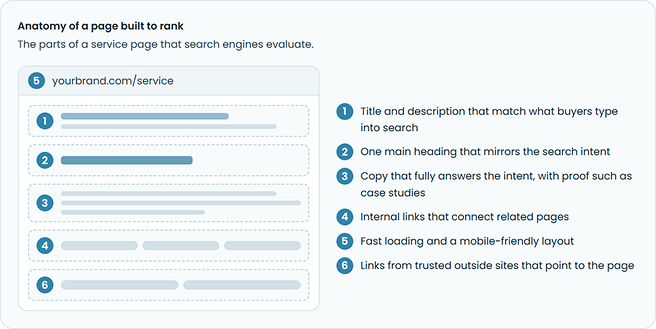
SEO should get the largest share of your search budget when the foundation is still weak. If your site has poor rankings, technical issues, limited organic visibility, thin content, or weak authority, increasing AEO or GEO spend too early may not fix the core problem.
A practical starting budget may look like this:
| SEO Needs | What You May Be Funding | Approx Budget |
| Technical SEO | Crawling, indexing, site structure, Core Web Vitals, schema fixes | $15,000 one-time |
| Content & On-page SEO | Commercial pages, content updates, internal linking, keyword intent | 5,000/month |
| Authority Building | Digital PR, link acquisition, expert mentions, off-page authority | 5,000+/month |
| Ongoing SEO Program | Technical, content, optimization, reporting, authority work | 10,000+/month |
These ranges are directional, not fixed prices. Site size, competition, geography, content volume, and how much implementation is included can move the budget significantly.
The key question is whether your SEO foundation is strong enough to support wider AEO and GEO investment. If important pages are not ranking, Google struggles to crawl or understand the site, or organic traffic is not producing qualified leads, SEO should usually take priority first.
Once that foundation is stronger, businesses can make a more informed decision about how much additional budget should go toward AI Overviews, answer visibility, ChatGPT, Gemini, Perplexity, and other AI search channels.
When Should Businesses Increase Their AEO Investment?
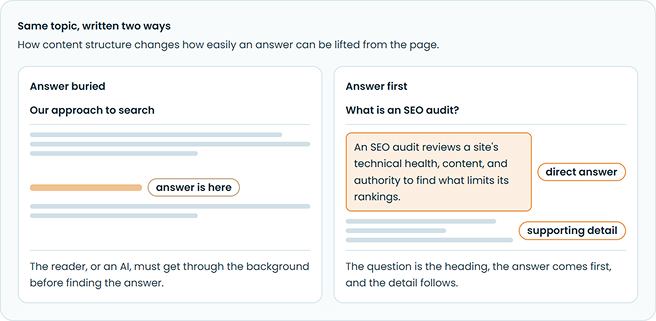
Businesses should increase AEO investment when their SEO foundation is already working, but the brand is still missing from direct answers, AI Overviews, featured answers, and question-led search experiences.
AEO becomes more important when:
- your pages rank, but do not win answer visibility
- customers ask high-intent questions your content does not answer clearly
- competitors appear more often in AI Overviews or answer engines
- your content lacks structured FAQs, schema, concise answers, or entity clarity
- AI-driven discovery is growing, but you are not measuring it
A practical AEO budget may look like this:
| AEO Need | What You May Be Funding | Approx. Budget |
| AEO Audit | AI visibility review, answer-gap analysis, technical/content assessment | $1500-$5000 one-time |
| AEO Add-on | Content restructuring, FAQs, schema, answer optimization | 20-30 % above an existing SEO retainer |
| Managed AEO Program | Strategy, content, technical work, AI visibility tracking, authority support | $3000 -$1000 + /month |
Current 2026 pricing research shows that AEO costs vary widely by scope, with HubSpot noting a range from low-cost monitoring tools to full-service programs exceeding $15,000 per month, while other industry guides place ongoing agency retainers commonly in the 10,000+ range.
The key question is whether your business already has enough SEO strength to compete, but is not being surfaced as the answer.
If that gap exists, AEO becomes a logical next investment because it focuses on making your existing expertise easier for search engines and answer engines to understand, extract, and present.
When Does GEO Become a Real Budget Priority?
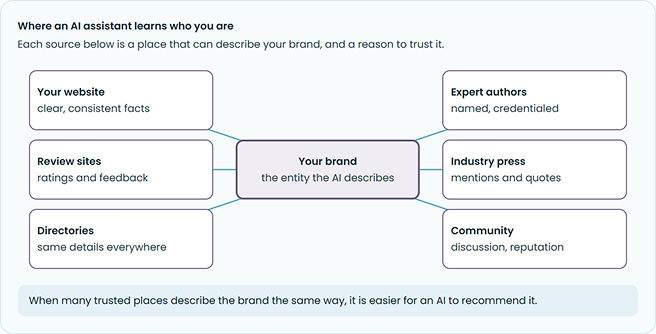
GEO becomes a real budget priority when buyers are already using ChatGPT, Gemini, Perplexity, and other generative AI platforms to compare providers, research solutions, or shortlist brands, but your business is rarely mentioned, cited, or recommended.
A practical GEO budget may look like this:
| GEO Need | What You May Be Funding | Approx. Budget |
| AI Visibility Audit | Brand mentions, citation gaps, competitor visibility, prompt tracking | $ 5,000 one-time |
| Focused GEO Program | Priority prompts, content optimization, entity signals, citation support | $2500- $6000 a month |
| Broader GEO Program | Multi-platform tracking, content, authority, technical work, ongoing optimization | $5000 -$12000 +/month |
The pricing guides vary widely, but several place serious managed GEO programs in the low-to-mid thousands per month, with larger programs reaching much higher depending on scope, markets, and the number of AI platforms being tracked.
GEO should move higher in the budget when your business already has solid SEO visibility, yet competitors appear more often in AI-generated recommendations and citations.
At that point, the investment shifts toward improving entity authority, expert content, third-party references, AI-search tracking, and content built around the questions buyers actually ask LLMs.
The ZealousWeb Search Budget Decision Model: Where Should Your Next Dollar Go?
Businesses should not divide search budget equally across SEO, AEO, and GEO. The better approach is to identify where visibility is breaking down and invest in that gap first.
The ZealousWeb Search Budget Decision Model helps businesses connect their current search performance with the next logical investment.
| Current situation | Why It Matters | Budget Priority | What To Fund Next |
| Weak rankings, traffic, or technical foundation | Search engines may struggle to discover, understand, or trust important pages | SEO first | Technical SEO, commercial content, internal linking, authority building |
| Ranking exists, but answer visibility is weak | The business is discoverable but is not consistently being surfaced as the answer | SEO +AEO | Question-led content, structured answers, schema, AI Overview optimization |
| Strong Google presence but few AI mentions or citations | Buyers researching through generative AI may be finding competitors instead | Increase GEO | Entity authority, expert content, citation signals, AI visibility tracking |
| Buyers use Google and AI throughout their research | Visibility needs to remain consistent across traditional and AI-driven search | Integrated SEO + AEO+ GEO | Coordinated content, technical optimization, answer visibility, AI-search authority |
| Visibility is weak across all three | Splitting the budget too early can dilute impact without fixing the core problem | Fix the foundation first | Resolve core SEO gaps before expanding AEO and GEO investment |
The principle is simple: fund the weakest visibility layer before adding more complexity. A business with weak organic visibility will usually get more value from strengthening SEO first. A business already ranking well but missing from AI Overviews, ChatGPT, Gemini, or Perplexity may have a stronger case for increasing AEO or GEO investment.
At ZealousWeb, this decision model helps businesses connect search spend with the channels most likely to influence discovery, consideration, qualified leads, and revenue.
Conclusion
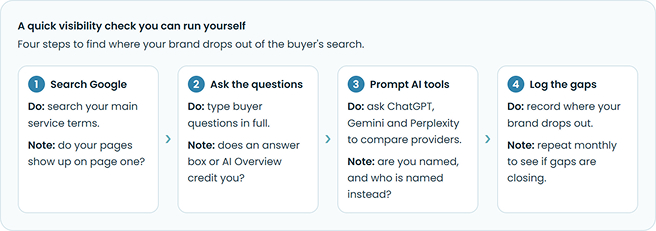
Search investment is no longer only about rankings. Businesses now need to understand where customers are discovering them across traditional search, AI Overviews, ChatGPT, Gemini, Perplexity, and other AI-driven experiences.
The right approach is not to increase SEO, AEO, and GEO budgets at the same time. It is to identify the visibility gap that is limiting discovery, qualified inquiries, or revenue and invest there first.
For businesses trying to decide whether the next search dollar should strengthen SEO, expand into AEO, or improve GEO visibility, ZealousWeb helps evaluate the current search foundation, identify where visibility is being lost, and prioritize the work that can create the strongest business impact.
Our approach is built around making SEO, AEO, and GEO work together where it makes sense-without turning every change in search into another unnecessary line item.
Find Out Where Your Search Budget Should Go
Review My Search Investment