

ZealousWeb
color psychology in baby stores

Color Psychology in Baby Stores: Pastels vs Brights

January 08, 2026Posted By: Jalpa Gajjar
Baby eCommerce UXColor PsychologyeCommerce Design StrategyUX/UI Design

Your store might look adorable — pastel pinks, soft blues, maybe even a splash of mint to say “We’re cute and caring.” But here’s the plot twist: parents aren’t buying it. Literally. They land, smile for two seconds, and then bounce faster than your banner animation. It’s not your product, it’s not your price — it’s your color psychology quietly working against you.

Colors are emotional language, not just pretty pixels. The same baby-pink background that feels soothing to you might signal “generic” or “unsafe” to a parent making a late-night purchase. And in baby eCommerce, trust is everything. Parents aren’t browsing — they’re on a mission. Every shade you choose tells them whether your brand feels warm, credible, or confusing. That’s why color psychology for baby brands isn’t just a design detail; it’s a conversion strategy.

Because the truth is, shoppers don’t consciously say, “Your website feels off.” They just leave. And while you’re tweaking CTAs and pricing, the real problem sits right on your homepage — your palette. The colors you pick decide whether your baby store feels like a nurturing brand or another random storefront.

So before you plan your next “website refresh,” let’s dig into why color truly matters in baby store design, how it shapes online shopping decisions, and what it takes to make parents feel safe enough to stay, trust, and buy.

Pastels: Calm, Comforting… or Just Plain Boring?

There’s a reason every baby brand seems to live in a cloud of blush, mint, and powder blue — it feels safe. Safe to the designer, safe to the founder, and safe to the parent who associates softness with purity. But “safe” is not the same as “strategic.” Somewhere along the way, baby brands started using pastels not because they fit the story, but because everyone else did.

The truth is, pastel color psychology works only when it supports your positioning. It can make your store feel nurturing, premium, or minimal — but without purpose, it turns your brand invisible. The problem isn’t that pastels are wrong; it’s that they’ve become predictable.

The Comfort Trap: Why Brands Default to Pastels

Fear drives familiarity. Many founders overuse pastels because they believe parents won’t trust anything louder. But trust doesn’t come from looking like everyone else; it comes from feeling intentional. When every store uses the same powder-blue palette, you’re not building recognition — you’re blending into a sea of sameness.

Great baby brands use color like they use messaging — to lead. They use pastel baby brand palettes to signal calm control, not meek imitation. A brand that dares to refine instead of repeat instantly feels more premium, even with the same shades.

When Pastels Work as a Business Strategy

Pastels are powerful when your brand promise is built on softness, purity, or organic living. Think of products that soothe or protect — baby skincare, bedding, swaddles, or eco-conscious essentials. In those categories, soft colors in eCommerce act as a visual shorthand for comfort and care.

But here’s where most brands stop — they forget contrast. The smartest players combine muted hues with deliberate accents: ivory backgrounds, rich textures, or warm photography. That balance keeps serenity without slipping into monotony. It’s what separates minimalist from forgettable.

When Pastels Fail the Conversion Test

If your audience expects excitement — toys, toddler fashion, play kits — pastels can flatten your energy. Parents shopping for play don’t want calm; they want curiosity. A toy brand wrapped in pale pink feels like a spa, not a playground.

This mismatch doesn’t just dilute your visual identity — it weakens the psychological connection that converts browsers into buyers. Color is context. When emotion and product don’t align, even the best UX can’t rescue the sale.

The Smarter Takeaway

Pastels are not a style; they’re a strategy. Use them to calm, not to conform. The right shade can whisper “trust” or scream “tired” depending on where you place it. Baby brands that understand this nuance don’t compete on prettiness — they compete on perception.

If your design goal is to make parents feel safe enough to buy, pastels can do the heavy lifting — but only when they’re paired with personality. Next, let’s turn up the volume and explore the opposite end of emotion: bright colors that spark joy, energy, and yes, a little chaos.

The takeaway is simple: pastels are beautiful storytellers, not default design choices. The trick lies in using them with purpose — not because they’re trendy, but because they translate your brand’s promise into an emotion parents can feel before they even read a word. Next, let’s talk about the other end of the spectrum — the brights that bring joy, energy, and a little chaos to your color story.

Brights: Bold, Joyful… or Just Too Much Energy for Sleep-Deprived Parents?

This rewrite takes a smarter, strategy-first approach — still conversational and lightly sarcastic, but written like a confident brand advisor.

All H3s are properly capitalized, flow is natural, tone is authoritative yet playful, and keyword placement is SEO-optimized for bright colors in eCommerce, bold color psychology, and baby store color palette.

Why Neon and Nursery Don’t Mix

Neons are loud, unapologetic, and urgent — three words that should never describe a nursery. These high-saturation colors trigger visual tension, not trust. Parents shopping for baby products crave reassurance and calm, not retail adrenaline. When your palette screams for attention, it subconsciously signals instability.

Keep neon where it belongs — in campaign highlights, not core branding. A subtle flash of fluorescent yellow during a festive sale can feel exciting; a full homepage of it feels exhausting. Baby brands win when they speak softly and confidently, not when they shout.

Smart Use of Brights for CTAs, Banners, and Seasonal Sales

Brights are best when they behave like punctuation — not paragraphs. A pop of coral on a “Shop Now” button or a cheerful yellow on a discount badge guides attention without demanding it. Contrast is your secret weapon here.

Pair bright accents against pastels or neutrals to make them pop naturally. This is bold color psychology in action — using color to lead the eye and evoke emotion, not to compete with it. Strategic brights keep your design lively, not loud.

Color Combinations That Feel Fun, Not Frantic

The secret to a standout baby store color palette isn’t choosing between calm or vibrant — it’s learning how to blend both. Combine soft and spirited tones for harmony: dusty rose with sunshine yellow, sage green with coral, ivory with ocean blue. The result is warmth that feels modern and trustworthy at once.

Brights should create joy, not chaos. They should invite clicks, not demand them. The most effective brands know how to turn energy into elegance — using bright hues as accents of personality rather than floods of noise.

Used with insight, brights give your brand a confident, modern edge that excites without overwhelming. Used carelessly, they create emotional clutter that pushes parents away. The trick isn’t choosing between pastels or brights — it’s mastering the rhythm between calm and color. And that’s when your design stops being decoration and starts being persuasion.

Pastels vs Brights: The Great Baby Brand Debate

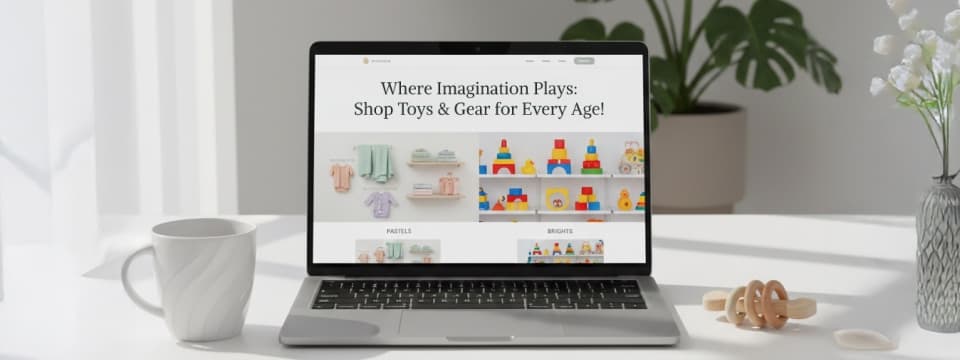
If baby brands had rival teams, this would be the Super Bowl — pastels vs brights, calm vs energy, whisper vs shout. Both palettes have loyal fans, and both can build powerful emotional connections when used right. The problem? Most stores choose a side without a strategy. Color isn’t a personality trait — it’s a persuasion tool. The smartest baby eCommerce designs don’t ask “Which color looks better?” They ask, “Which emotion converts better for my audience?”

Here’s how both palettes stack up when it comes to trust, emotion, and performance — because what looks pretty to you might feel confusing to your customers.

Factor Pastels Brights
Emotional impact Calming, nurturing, and gentle; perfect for soothing parents and conveying care Energetic, playful, and exciting; ideal for sparking curiosity and joy.
Perceived brand trust Feels safe, pure, and reliable — builds emotional comfort quickly. Signals confidence and modernity but risks appearing too loud if overused.
Conversion influence Encourages slower, thoughtful decisions; great for premium or sensitive products Drives action and urgency; effective for promotions and high-engagement campaigns.
Modern trend appeal Timeless and minimal, it aligns with organic and gender-neutral trends. Contemporary and bold, fits lifestyle-driven or fashion-forward baby brands.
Best use case Skincare, essentials, organic babywear, and nursery products. Toys, activewear, accessories, and seasonal collections.


The verdict? Neither side wins — balance does. Pastels create trust, brights create movement, and together they form the emotional spectrum every baby brand needs. The real debate isn’t about color — it’s about clarity. When your palette aligns with your purpose, design becomes strategy. And if you’re not sure which emotion your store is selling, it might be time to call in someone who knows how to translate color into conversion.

What Parents Actually See and Feel When They Visit Your Store

Parents don’t read your color codes — they feel them. Long before they notice your headlines or prices, their brains have already formed an impression of your brand. That’s the real power of emotion-driven eCommerce design — colors shape trust faster than words ever could.

When a parent lands on your site, they aren’t analyzing your palette. They’re subconsciously asking, “Does this feel like a brand I can trust?” And that answer depends entirely on how your design makes them feel — calm, confident, or slightly uncomfortable.

Let’s step into their shoes for a moment and experience what those emotions look like.

When Colors Build Trust Before Words Do

The strongest trust signals for baby brands aren’t logos or taglines — they’re feelings. Soft hues, gentle contrast, and warm neutrals give parents a sense of comfort, the same kind they feel when walking into a cozy nursery or holding their baby’s blanket fresh from the wash.

Think about a baby lotion website designed with cream backgrounds, warm lighting, and simple visuals. The colors feel safe, pure, and nurturing — just like the product itself. Parents don’t need to read a word to know they can rely on it. That’s design doing its quiet work — earning trust without saying a thing.

When Confusing Colors Break Emotional Connection

Now, switch to a different store. Bright reds, heavy blues, and flashing yellow banners compete for attention. It feels busy, loud, and overwhelming — like walking into a toy aisle where every box shouts for attention. Instead of excitement, parents feel distracted.

Even something as small as a bright green “Add to Cart” button sitting on a pink background can cause subconscious tension. Parents won’t say what feels wrong, but they’ll sense it. When color harmony breaks, so does emotional connection — and that’s when they leave.

The Moment That Decides Whether They Stay or Leave

Those first three seconds after landing on your site determine everything. A balanced palette, a calm layout, and visual consistency make parents breathe easier. But if the screen feels crowded or the colors clash, their comfort disappears just as quickly.

Think of it as walking into a store that instantly feels right. You can’t explain why — it just does. Online, that same comfort comes from consistency, alignment, and emotional clarity. When everything works together, parents feel understood, not sold to.

That’s how parents’ buying psychology truly works. Trust isn’t something you add later with reviews or promises — it’s built from the moment a parent feels safe enough to stay. And that emotional balance between calm and clarity is what transforms design into strategy.

Up next, we’ll see how modern color trends help baby brands achieve that perfect blend of warmth and credibility — where emotion meets conversion, and every shade tells a story parents can believe in.

The Trend Palette: Calm Meets Conversion

Baby brands are finally stepping out of the pastel bubble. The new generation of parents wants color stories that feel natural, inclusive, and emotionally intelligent. That shift has shaped baby store color trends — calm with character, modern without losing warmth.

The best-performing brands are moving toward palettes that reflect real emotions and real homes — not just digital perfection. They’re choosing colors that look comforting but still feel contemporary.

Here’s what’s defining the modern baby brand palette right now:

  • Muted Sage: Green with calm energy — fresh, clean, and gender-neutral.
  • Clay Beige: Earthy warmth that feels premium and grounded.
  • Blush Coral: Softly vibrant, perfect for gentle contrast and emotional warmth.
  • Dusty Teal: Balanced and modern — adds sophistication without harshness.
  • Soft Terracotta: Organic and timeless — pairs beautifully with minimalist design.

These colors work because they blend emotion with strategy. They make your store look calm yet credible — like a brand that knows what it stands for.

Parents are also moving beyond color stereotypes. Gender-neutral baby store design is no longer a niche; it’s the new norm. Brands that once depended on pinks and blues are now using muted neutrals, soft brights, and textured tones to communicate inclusivity and trust. When combined thoughtfully, these shades do more than look good — they convert better.

  • A muted coral “Shop Now” button pops against a cream background without shouting.
  • A sage-green product banner feels clean and safe, encouraging parents to explore more.
  • Earth-toned packaging builds subconscious trust by reflecting eco-conscious values.

These are the quiet details that make modern color psychology work. They tell parents: this brand is calm, confident, and caring — everything they want to feel before they buy.

This evolution isn’t about chasing trends; it’s about using them to build emotional clarity. Because when calm meets conversion, design stops being decorative — it starts becoming deeply human.

Color That Converts: How Smart Brands Mix Both Worlds

The secret to high-performing baby stores isn’t choosing between calm and color — it’s learning how to mix them. The best brands don’t stick to just pastels or brights; they know how to combine both in a way that feels natural, balanced, and emotionally persuasive. That’s the real power of color strategy for conversions — using contrast not for decoration, but for direction.

Every color has a job. Pastels set the mood, brights spark action, and together they guide attention where it matters most — the checkout. This is where psychology meets design, and design meets sales.

The Power of Contrast for Conversion

Color contrast doesn’t just make your store look better; it makes it perform better. A soft pastel background creates emotional comfort, while a bold coral button instantly signals where to click. It’s the visual version of saying, “Here’s what to do next,” without interrupting the shopping flow.

Think of a homepage in warm cream tones with a bright yellow “Shop Now” button. Your eye goes there first, naturally. That’s strategic color layering at work — guiding the shopper through an experience without ever needing words.

When applied consistently across banners, product cards, and CTAs, this pastel-bright mix builds visual hierarchy. It tells customers what’s important, what’s interactive, and what can wait — all within seconds.

How Top Baby Brands Get It Right

The smartest brands treat color like storytelling, not styling. They use soft bases to build emotional safety and bright accents to build momentum.

  • A baby skincare brand might use beige and blush tones to create calm, with a gentle coral accent to encourage action.
  • A toy store could balance cheerful yellow highlights with muted gray or ivory to keep playfulness without chaos.
  • A fashion-forward babywear brand may use dusty lilac tones paired with subtle orange elements to blend softness and modern energy.

These aren’t coincidences — they’re strategy. Brands that master this balance convert more because their colors don’t just look good; they feel right. The contrast tells a subconscious story: calm enough to trust, confident enough to act.

The Formula Behind Every Click

There’s a reason why color psychology and conversion data align so closely. The right mix captures both trust and attention — the two pillars of every successful sale.

Here’s what the data-backed formula looks like:

  • Pastel Base: Creates emotional comfort, keeps users engaged longer.
  • Bright Accents: Direct attention to CTAs and product highlights.
  • Consistent Tone: Builds visual trust and familiarity across the journey.

When brands use this logic consistently, color stops being aesthetic — it becomes an invisible sales driver. The takeaway? Smart brands don’t fight between soft and strong; they choreograph them. And when that dance between calm and confidence feels seamless, your customers don’t just see your colors — they respond to them. Next, let’s explore how design rooted in trust takes this connection even deeper — where colors, layouts, and psychology merge into one seamless buying experience.

Designing for Trust, Not Just Aesthetics

Beautiful design gets attention; trustworthy design gets sales. Parents don’t just want to browse — they want to feel safe spending their money. That’s why great eCommerce design goes beyond visuals. It’s built on what we call trust architecture — a combination of color harmony, clarity, and emotional reassurance that makes parents feel confident from the first scroll to the final click.

Every design decision, from background tone to button color, influences how credible your brand feels. UX color trust signals play a bigger role than most realize. A soothing color palette with strong readability and well-placed CTAs builds subconscious confidence, while poor contrast or cluttered visuals instantly break it. The goal isn’t to impress; it’s to assure.

Think of it like walking into a well-lit store where everything is easy to find. Online, that same comfort comes from eCommerce trust design — clean layouts, calm tones, and consistency that reflects care. When your color hierarchy, typography, and imagery feel unified, parents instinctively feel your brand is reliable and professional.

Here’s a quick trust checklist every baby brand should measure its store against:

Background–Text Harmony: Ensure every section is easy on the eyes — no harsh contrasts or washed-out text.
CTA Visibility: Buttons should stand out naturally through smart color contrast, not loudness.
Consistent Tones Across Web and Social: Brand colors should feel identical everywhere — consistency builds recognition, and recognition builds trust.
Accessibility for All Devices: From mobile screens to desktops, colors and contrasts must remain legible and inclusive.

These aren’t design details; they’re signals of care. Parents don’t consciously say, “This store feels accessible,” but they sense it. That quiet sense of ease is what turns a hesitant visitor into a confident buyer. When your baby store design prioritizes empathy and usability as much as aesthetics, you stop just selling products — you start building trust that lasts beyond a single transaction. And that’s where real conversions happen — where thoughtful UX meets emotional intelligence.

Redefine store’s palette

Conclusion

Your colors aren’t just decorating your store — they’re directing decisions. The right palette makes parents feel calm, confident, and connected. The wrong one? It quietly pushes them away. And when every shade influences trust, choosing the right combination becomes more than a design choice — it’s a growth strategy.

This is where a smart eCommerce color strategy pays off. From soothing pastels that build comfort to bright accents that drive clicks, your palette should work as hard as your product copy. Because the right color doesn’t just look good — it converts better.

Our team at ZealousWeb has helped multiple online brands craft color experiences that sell — pairing creative design with conversion science. Whether you’re building a new Shopify baby store or optimizing your existing UX, we help you find a visual language that earns trust and keeps customers coming back.

Let’s help you discover the color story that feels like your brand — and one that parents instantly believe in.

FAQs

How do I know if my baby store’s color palette is hurting conversions?

Can ZealousWeb help us redesign our baby store while keeping our brand identity intact?

What makes ZealousWeb different from other eCommerce design agencies?

How long does it take to see results from a color and UX redesign?

Can you optimize both Shopify and WooCommerce stores for better color and UX performance?

Do you also handle mobile UX and accessibility during design optimization?

How can we get started with ZealousWeb for our baby's eCommerce design project?

Related Blog Posts

baby store trust issues

5 Warning Signs Your Baby Store Is Losing Parents’ Trust

January 08, 2026
Baby Brand Strategybaby eCommerceCustomer TrustTrust & Credibility
baby ecommerce mobile app features

Must-Have Features of a Successful Baby eCommerce Mobile App

December 29, 2025
Baby eCommerce AppseCommerce App DevelopmentMobile App FeaturesMobile Commerce Strategy
mobile-first design for baby ecommerce

Why Is Accessibility and Mobile-First Design Crucial for Baby eCommerce Stores?

December 24, 2025
Baby eCommerce UXeCommerce AccessibilityMobile Commerce StrategyMobile-First Design
baby store homepage trust

Why Baby Store Homepages Fail to Build Trust

December 22, 2025
baby eCommerceEcommerce DesigneCommerce UXWebsite Trust
ecommerce checkout optimization

Reducing Cart Abandonment with UI/UX Best Practices

December 18, 2025
Cart AbandonmentEcommerce OptimizationShopify UXUI UX Best Practices
customer complaints UX

What Your Customers’ Complaints Reveal About Your UX and How to Fix It

December 15, 2025
eCommerce UXUsability IssuesUX redesignUX Strategy
poor mobile UX

How Poor Mobile UX Shows It’s Time for a Revamp

December 11, 2025
eCommerce Mobile ExperienceeCommerce UXMobile-First DesignUX Audit
build a profitable baby store

How to Build a Profitable Online Baby Store Without Tech Headaches

December 10, 2025
baby eCommerceeCommerce StrategyShopify Baby Store TipsUI UX for baby stores
baby store UX revamp

Signs Your Baby Store Needs a UI/UX Revamp: The Definitive Guide

December 04, 2025
baby eCommerceeCommerce UXUI/UX auditUX redesign