


Tired of hearing “just tell me the price” for your E-commerce app dream, only to discover no magic number exists? E-commerce app development cost in 2026 swings wildly from $30K for a basic MVP to $250K+ for AI-powered beasts because factors like features (think cart, payments, personalization), platform choice (Android vs iOS vs cross-platform), team location, and tech stack create endless combos—no two projects match.
Fixed-price thinking fails spectacularly here; savvy startup founders and CTOs ditch it for breakdowns of what drives e-commerce mobile app development cost, so they can budget smart, avoid sticker shock, and actually launch without breaking the bank.
How Your Ambitions Set E-commerce App Costs
Your business goals aren’t just lofty dreams—they’re the silent puppet masters pulling the strings on your e-commerce app development cost. Chase quick revenue with an MVP? You’ll spend less. Obsess over flawless UX for loyal customers? Budget balloons. Here’s how intent shapes spend:
| Goal Type | Description & Cost Impact | Target Audience Fit | Typical Budget Range (2026) |
| MVP vs Growth App vs Enterprise App | MVP focuses on core features (cart, payments) for fast launch; Growth adds personalization/scaling; Enterprise demands custom integrations/ERP. | Startups (MVP), Mid-size (Growth), Enterprises (Full-scale) | MVP: $30K-$60K Growth: $60K-$150K Enterprise: $150K+ |
| Revenue-first vs Experience-first | Revenue-first prioritizes checkout speed/upsells for immediate sales; Experience-first invests in AR previews, AI chats for retention. | E-commerce founders (Revenue), Retail brands (Experience) | Revenue: $40K-$80K Experience: $80K-$200K |
Pick your ambition level wisely—opt for MVP if testing waters, but scale thoughtfully to avoid budget creep later. Founders chasing revenue can launch lean at $30K-$60K, while enterprise CTOs planning AR/AI futures should allocate $150K+ from day one. Align spend with goals now, or watch costs spiral chasing shiny features post-launch.
How Much Does an E-commerce App Cost in 2026?
With ambitions set, founders and CTOs need concrete numbers for e-commerce app development cost 2026—ranges that factor in complexity without the guesswork. e-commerce app development cost 2026 varies sharply by scope, from stripped-down basics to feature-rich powerhouses, helping startups budget precisely for launch timelines. Basic apps cover essentials like cart and payments for quick market entry, while advanced versions stack AI personalization and ERP integrations that demand premium investment. Use this breakdown to match your vision to realistic spends.
| App Tier | Key Features Included | Ideal For | Cost Range (2026) |
| Basic | Product catalog, cart, basic payments, simple UI | Startups testing MVP concepts | $30K-$60K |
| Mid-Tier | Personalization, push notifications, analytics | Growing brands scaling sales | $60K-$150K |
| Advanced | AI recommendations, AR previews, custom APIs | Enterprises eyeing market dominance | $150K+ |
Nail your tier early—jumping from basic to advanced mid-project can double costs overnight, so startups often start lean and iterate based on user data.
Cost to Build E-commerce App: Android vs iOS vs Cross-Platform
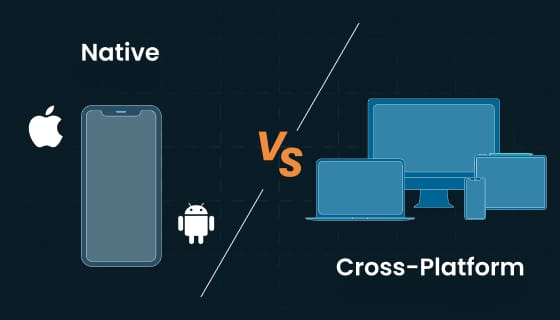
Platform choice hits hard on cost to build e-commerce app, as native iOS demands Swift experts while Android scales broader but fragments across devices—cross-platform tools like Flutter slash duplication for budget-savvy teams. Native shines for performance-heavy apps, but cross-platform delivers 70% savings for most retail needs without sacrificing core functionality.
| Platform | Development Team | Performance & Features | Cost Range (Mid-Tier App, 2026) |
| Android | 3-5 months | Device fragmentation challenges | $50K-$120K |
| iOS | 3-4 months | Premium UX, stricter guidelines | $60K-$140K |
| Cross-platform | 2-4 months | Single codebase, faster updates | $40K-$90K |
Go cross-platform if speed-to-market trumps pixel-perfect polish—it’s the smart pick for 80% of e-commerce founders balancing budget against broad reach.
What Really Drives E-commerce App Costs? Key Pricing Factors
Pinpointing what jacks up E-commerce app development costs arms founders and CTOs with negotiation power dive into the real influencers that turn $30K dreams into $150K realities.
Factors Affecting E-commerce App Development Costs
- Features: Core (cart, payments) add $10K-$20K; advanced like AI personalization or AR previews, spike to $50K+ due to custom coding.
- Team Location: US/EU devs charge $100-$200/hr vs. India’s $25-$50/hr, slashing 50-70% off total builds.
- Tech Stack: React Native/Flutter for cross-platform saves 30%; native Swift/Kotlin demands specialized talent, inflating by 40%.
Why Choose India for E-commerce App Cost Savings?
India dominates as the budget haven for E-commerce mobile app development cost, blending skilled teams with rates 60% below Western norms—perfect for startups eyeing $40K-$90K mid-tier apps without skimping quality. Offshore savings compound via time zone alignment and English-fluent devs, but vet for communication to avoid rework costs.
| Factor | US/EU Rates (per hour) | India Rates (per hour) | Savings Potential |
| Junior Developer | $80-$120 | $20-$35 | 65-75% |
| Senior Developer | $120-$200 | $35-$60 | 60-70% |
| UI/UX Designer | $70-$150 | $20-$45 | 65-75% |
| Project Manager | $90-$160 | $25-$50 | 60-70% |
| Full Mid-Tier App | $60K-$150K | $40K-$90K | 50-60% overall |
Lock in Indian teams for MVP launches—pair with milestone payments to maximize savings while scaling to enterprise polish later.
What Features Skyrocket E-commerce App Costs?
Features separate bargain-bin apps from revenue rockets—pick wisely to control E-commerce app development cost without buying fluff that bloats budgets.
Must-Have Features & Their Pricing
Every e-commerce app needs battle-tested essentials like payments and cart, but scaling to AI personalization demands deeper pockets for custom logic and integrations. Here’s the price tag breakdown for features founders prioritize in 2026 builds, based on mid-tier complexity.
| Feature | Description & Functionality | Cost Impact (Mid-Tier App) |
| Payments | Stripe/PayPal gateways, multi-currency, fraud checks | $5K-$15K |
| Shopping Cart | Persistent cart, upsell prompts, abandoned cart recovery | $8K-$20K |
| AI Personalization | Product recs, dynamic pricing, chatbots | $20K-$50K |
Start with payments and cart for 80% of revenue—add AI only after validating demand to dodge $30K+ in unused code.
Basic vs Advanced E-commerce App Pricing Comparison
Transitioning from basic to advanced flips the script on cost to build an E-commerce app, as enterprises layer sophistication atop core functions. This table pits lean starters against full-scale beasts, highlighting where budgets multiply.
| Aspect | Basic App | Advanced App | Price Difference |
| Core Features | Catalog, cart, 1-2 payments | AI recs, AR try-ons, 10+ gateways | +$40K-$80K |
| Customization | Template UI, basic filters | Custom APIs, ERP sync, voice search | +$30K-$60K |
| Scalability | 10K users/month | 1M+ users, auto-scaling cloud | +$20K-$50K |
| Total Cost (2026) | $30K-$60K | $150K-$300K | 3-5x higher |
Advanced pays off for high-volume retail but crushes startups—prototype basic first, then upgrade proven winners surgically.
Cost Optimization Strategies
Savvy founders and CTOs slash e-commerce app development costs through targeted strategies like MVP builds and offshore partnerships, reclaiming budget for marketing muscle instead of bloated dev bills.
E-commerce App Cost Calculator: MVP Approach to Cut 40-50%
Launch lean with an MVP packing only cart, payments, and catalog to validate demand at $30K-$50K, sidestepping feature creep that plagues full builds. Iterate post-launch using real metrics, turning risky $150K gambles into data-backed wins.
Hidden Costs & Budgeting Tips for Startups/CTOs
Scope creeps like app store cuts (30%), cloud scaling ($1K+/mo), and maintenance (15-20% yearly) inflate totals by 25%—counter with milestone contracts, no-code prototypes, and ROI audits per feature. Startups are nailing this hit breakeven 3x faster.
Prioritize ruthlessly: cap scope at revenue drivers, offshore to India for 60% savings, and buffer 20%—your 2026 app launches leaner and meaner.
Conclusion
Building an e-commerce app in 2026 is less about chasing a fixed price and more about making informed investment decisions. Features, platforms, team location, and long-term scalability choices collectively shape the true cost of development. Brands that succeed are the ones that define clear goals early, validate ideas through MVPs, and scale based on real user data rather than assumptions.
Teams like ZealousWeb work closely with founders, product leaders, and CTOs to break down E-commerce app costs transparently, helping businesses align budgets with growth objectives instead of short-term builds. With the right strategy, E-commerce app development becomes a controlled investment — not an unpredictable expense.

FAQs
Why Can’t Agencies Give a Fixed E-commerce App Cost Upfront?
At ZealousWeb, we explain that costs vary by features, platforms, scalability needs, and integrations. Fixed pricing is only reliable after proper scoping, when requirements and risks are clearly defined.
Can You Share a Budget Range Before Final Requirements?
Yes. At ZealousWeb, we provide realistic budget ranges aligned with MVP, growth, or enterprise goals, helping teams plan early and secure approvals before final requirements are defined.
What Usually Causes E-commerce App Budgets to Exceed Estimates?
Scope creep and unplanned integrations are the most common causes. At ZealousWeb, we control overruns through milestone-based planning, clear scope definitions, and change-impact reviews before any expansion.
How Do Offshore Teams Help Reduce E-commerce App Costs?
Offshore teams reduce costs while maintaining quality through structured communication, time-zone coverage, and dedicated project management that keeps delivery efficient and predictable.
How Do You Prevent Cost Overruns During Development?
We use phased delivery, strict feature prioritization, and clear approval checkpoints so changes are evaluated early and budgets stay under control.
How Do We Know If Our App Budget Is Business-Aligned?
Your budget is business-aligned when spend is tied to outcomes—such as conversions, retention, and scalability—rather than just feature count. We map investment directly to these KPIs to ensure ROI focus.